Claim Your Roofing Savings Today
Roof Leaking Repair: Warning Signs, Common Causes, and When to Call a Professional
Roof Leaking Repair: Warning Signs, Common Causes, and When to Call a Professional
A dripping ceiling, a damp spot on the wall, or a sudden discolored patch overhead can instantly cause stress for any property owner. When water makes its way into your living space, time is of the essence. Getting a clear understanding of roof leak repair helps you spot early warning signs, address the root causes, and know exactly when it is time to call in a trusted local team.
At WC Roofing, we have spent more than 20 years helping homeowners and business owners protect their properties from water damage. As a family-owned local business, we know how important a solid, sturdy roof is to your safety and comfort. In this complete guide, we will break down everything you need to know about spotting, understanding, and resolving roof leaks before they cause major issues.
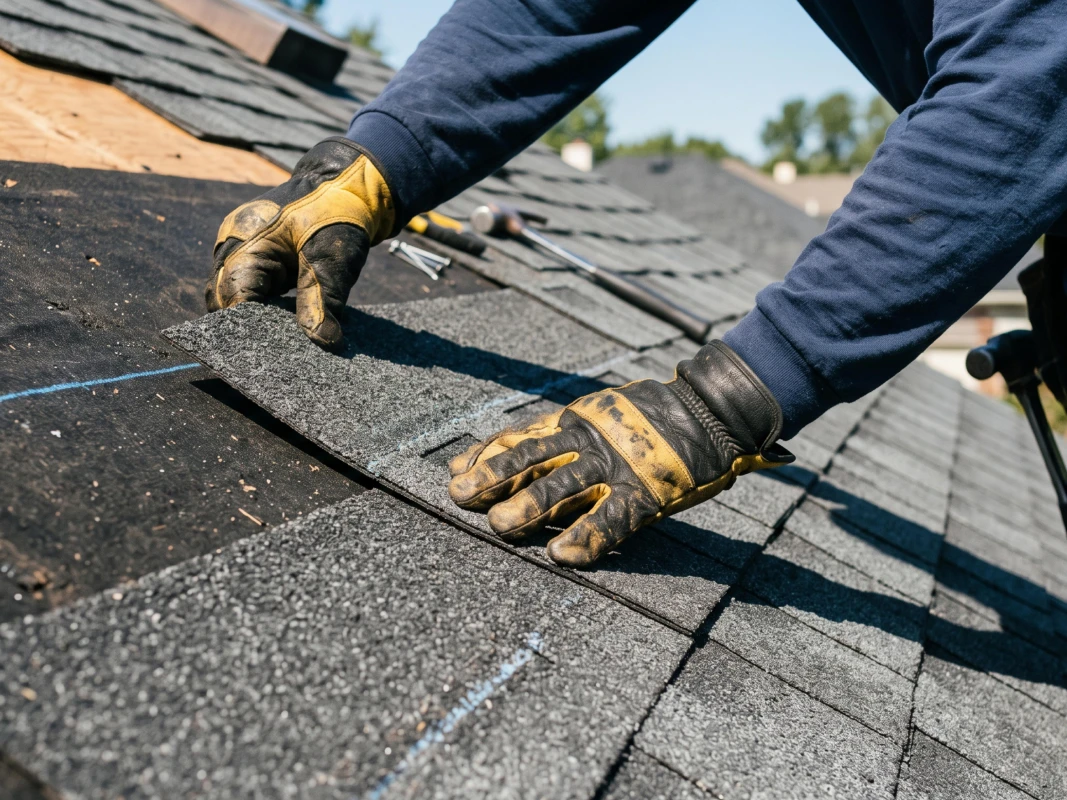
Why Early Detection Matters for Your Home
Water has a sneaky way of traveling along rafters, inside walls, and through insulation before it ever visibly drops into your living room. By the time you notice a puddle on the floor, the leak may have been developing for weeks or even months.
Ignoring a minor leak can lead to serious consequences, including:
- Structural Timber Rot: Water compromises the strength of your roof deck, rafters, and home framing.
- Mold and Mildew Growth: Damp areas inside dark attic spaces create the perfect environment for mold, which can spread into your heating and air systems.
- Ruined Insulation: Wet insulation loses its thermal efficiency, driving up your energy bills and requiring total replacement.
- Damaged Ceilings and Drywall: Water stains often grow into sagging drywall, peeling paint, and falling plaster.
- Electrical Hazards: Dripping water that reaches light fixtures or junction boxes creates dangerous short circuits and fire hazards.
Taking quick action with a targeted roof leak repair prevents small fixes from turning into overwhelming structural overhauls.
Early Warning Signs of a Roof Leak
You do not need to climb onto your roof every week to know if something is wrong. In fact, many of the most reliable indicators appear right inside your home or along the exterior perimeter.
Interior Indicators
- Water Stains on Ceilings and Walls: These often look like light brown or yellowish puddles with darker outer rings.
- Dripping Sounds During Heavy Rain: Even if you cannot see water yet, a steady dripping noise inside attic spaces or walls indicates active moisture intrusion.
- Peeling Paint or Bubbling Wall Tape: Moisture behind drywall forces paint to lose its grip, causing it to blister, peel, or warp.
- Musty Odors in the Attic: A lingering damp, earthy smell usually points to trapped moisture and early mold formation.
Exterior Indicators
- Damaged or Missing Shingles: Cracked, curled, or completely missing shingles expose the sensitive underlayment beneath.
- Granules in the Gutters: Excessive coarse, dark granules collecting in your gutters mean your asphalt shingles are wearing thin and losing their weather protection.
- Damaged Flashing: Metal strips around chimneys, vents, and roof valleys that look rusted, bent, or separated leave easy entry points for rainwater.
- Sagging Roofline: A visible dip along the ridge or surface of your roof indicates advanced moisture damage to the structural decking.
Common Causes of Roof Leaks
Understanding why your roof is leaking helps you make informed choices about repairs and maintenance. Here are the most frequent culprits behind unwanted water intrusion:
+————————+——————————————————-+
| Leak Cause | Primary Impact Area |
+————————+——————————————————-+
| Cracked Flashing | Chimneys, skylights, vent pipes, roof valleys |
| Damaged Shingles | Main roof slopes, areas exposed to heavy weather |
| Clogged Gutters | Roof eaves, fascia boards, foundation edges |
| Aging Underlayment | Widespread water intrusion across older roofing systems|
| Cracked Roof Boots | Vent pipe penetrations |
+————————+——————————————————-+
1. Cracked or Compromised Flashing
Flashing consists of thin metal sheets installed under shingles and around joint areas, such as chimneys, skylights, and dormers. Over time, heat expansion, settling, or wind can crack the metal or break the caulking seals, creating a direct path for water.
2. Broken, Cracked, or Missing Roofing Materials
High winds, fallen branches, and general aging wear down your surface materials. Whether you have shingles, tiles, or metal panels, a single compromised piece leaves the vulnerable underlayment beneath open to rain and moisture.
3. Clogged or Overflowing Gutters
When gutters fill with leaves, pine needles, and dirt, rainwater has nowhere to go. It backs up along the edge of your roof, seeping beneath the lowest layer of shingles and rotting the wooden fascia boards along your roofline. Regular gutter cleaning service stops this water backup before it damages your home’s exterior.
4. Cracked Vent Pipe Boots
Roof vents project through your roof structure to allow air and plumbing gases to escape. The rubber or plastic boots that seal the base of these pipes deteriorate under exposure to sun and changing temperatures, allowing rainwater to trickle down along the pipes into your ceiling.
5. Aging or Damaged Underlayment
Underlayment acts as your home’s second line of defense beneath shingles or tiles. As roofs age, this water-resistant barrier can dry out, crack, or rot. When water makes it past aging outer materials, a compromised underlayment can no longer hold back leaks.
Material-Specific Leak Challenges
Different roofing materials present unique challenges when it comes to locating and fixing leaks. Working with a team that understands how to work with every major material system ensures your home receives the right solution.
Asphalt Shingle Roofs
Asphalt shingles are popular for their balance of durability and value. However, heavy wind can lift shingle tabs, breaking the thermal seal that holds them together. Hail can also knock off granules, exposing the asphalt layer to direct sunlight and accelerated wear. Prompt asphalt shingle roofing repairs keep small shingle cracks from expanding across entire slopes.
Tile Roofs
Tile roofs are built to withstand tough weather, but individual tiles can crack if struck by debris or walked on improperly. Even if the outer tile looks intact, aged underlayment underneath may fail, leading to hidden leaks. Specialized tile roof repair service is critical because working on tile systems requires precise handling to avoid breaking surrounding tiles while sealing the leak underneath. Routine tile roof maintenance helps catch minor cracks before moisture reaches the decking.
Metal Roofs
Metal roofing systems offer exceptional long-term protection, but their seams, fasteners, and overlap joints require periodic inspection. Screws with rubber washers can back out over time due to natural thermal expansion and contraction, allowing minor trickles of water inside. Professional metal roofing service ensures all seams and fasteners remain watertight through every season.
Flat and Low-Slope Roofs
Flat roofs do not shed water as quickly as sloped designs, making proper drainage critical. When drains get blocked or seams open up, standing water can cause pooling and seam separation. Dedicated flat roof repair service resolves seam issues, repairs damaged membranes, and clears low spots before water pushes through into your structure.
How to Handle an Active Leak: A Step-by-Step Guide
If you discover an active leak during a heavy rainstorm, taking fast, orderly action helps limit damage to your personal property and home structure.
1
Contain the Water Inside Your Home
Immediate step to prevent floor and ceiling damage
Place buckets, plastic bins, or pots directly underneath the drip. If water is dripping along a wall, line the floor with towels or plastic sheeting. If the ceiling is bulging downward with trapped water, carefully poke a tiny hole in the center of the bulge with a screwdriver to release the pressure into a bucket to prevent the entire drywall section from collapsing.
2
Protect Belongings and Furniture
Move valuables away from the affected area
Move furniture, electronics, carpets, and family heirlooms out of the room or cover them securely with plastic tarps.
3
Document the Damage
Useful for insurance claims and repair planning
Take clear photos and short videos of the leak, ceiling stains, affected property, and water sources. This documentation helps when working with your insurance company and provides helpful context for your roofing team.
4
Schedule Professional Emergency Support
Get professional help fast to secure your property
Call a responsive local contractor for emergency roof repair. Professional technicians can apply temporary protective tarps or seals to stop incoming water until weather conditions allow for permanent repairs.
How Professionals Repair a Leaking Roof
Fixing a leak correctly requires more than spreading a layer of caulk over a visible seam. True quality craftsmanship addresses the underlying problem to make sure the leak does not return during the next storm.
Professional Inspection and Leak Detection
Water rarely enters directly above where it drips inside. A professional roof inspection service tracks the water trail from the interior stain back to its original entry point on the roof surface. Technicians check flashing, valley seams, underlayment, and roof penetrations to identify every active and potential leak path.
Targeted Repairs vs. Complete System Replacement
Not every leak requires a new roof. In many cases, replacing a few missing shingles, resealing pipe boots, or repairing damaged flashing resolves the issue completely. However, if your roof is near the end of its natural lifespan and exhibits widespread deterioration across multiple slopes, investing in a complete roof replacement may offer far better value and long-term protection than repeatedly paying for patch repairs.
Here is a breakdown of what to expect during a professional repair:
- Safety Setup: Equipping safety gear and ladders to secure the work area around your home.
- Material Removal: Carefully lifting away damaged shingles or tiles to inspect the underlying wooden decking.
- Decking and Underlayment Repair: Replacing any rotted wood decking and installing high-performance, waterproof underlayment.
- Flashing and Seal Renewal: Installing fresh metal flashing and applying commercial-grade sealants around vents, chimneys, and joints.
- Surface Material Installation: Securing new shingles, tiles, or metal panels that match your existing roof system seamlessly.
- Property Cleanup: Cleaning up all job-site debris and running magnetic sweepers across your yard to clear stray nails.
The Role of Preventive Maintenance in Stopping Leaks
The simplest way to deal with a leaky roof is to prevent it from happening in the first place. Ongoing care and periodic tune-ups protect your investment and save you money over time.
Regular Professional Inspections
Scheduling an annual roof maintenance service helps spot small issues long before water finds a way into your home. Technicians catch worn seals, loose fasteners, and minor material cracks while they are still fast and affordable to fix.
Keeping Roof Surfaces and Gutters Clean
Leaves, branches, and dirt trapped on your roof hold moisture against shingles and tiles, accelerating decay. Investing in roof cleaning service removes accumulated organic debris safely without damaging your surface materials, allowing rainwater to drain off smoothly.
Pre-Purchase Protections for Homebuyers
If you are planning to purchase a new home, having a pre-purchase roof inspection performed before closing gives you complete clarity on the roof’s true condition. Identifying necessary repairs early allows you to make informed decisions and negotiate repairs with confidence.
Frequently Asked Questions
Can I repair a leaking roof myself?
While minor DIY fixes might seem simple, working on a roof carries safety risks and often only covers up the surface symptoms without fixing the root cause. Without professional equipment and training, it is easy to accidentally damage surrounding shingles or miss hidden wood rot. Working with a licensed contractor ensures the job is done safely and correctly the first time.
What options do I have for paying for roof repairs?
We strive to make paying for your repairs as straightforward as possible. We accept traditional cash and check payments, as well as fast, secure digital payments through Zelle and Venmo.
How do I know if I need a repair or a total roof replacement?
If your roof is relatively young and the leak is isolated to a small area, such as a single cracked flashing or a few windblown shingles, a targeted repair is usually all you need. However, if your roof is over 20 years old, sagging, or leaking in multiple locations, replacing the roof system is often the most cost-effective decision for your home’s long-term protection.
Dependable Roof Repairs from Your Local Family Team
When you are facing a roof leak, you deserve responsive communication, straightforward advice, and craftsmanship you can count on. At WC Roofing, we bring more than 20 years of hands-on roofing experience to every job we handle in Somerset, CA. As a family-owned and operated local company, our founders and family members personally oversee every project; we never subcontract our work out to strangers. Whether you need an emergency patch, routine maintenance, or a full system replacement, we treat your property with the same care and attention to detail we would give our own home. Contact our team at (530) 967-8117 today to request your free estimate and get your roof back in solid shape.